Fen X Technology

One Custom Fit. The Right Filter for the Sound.

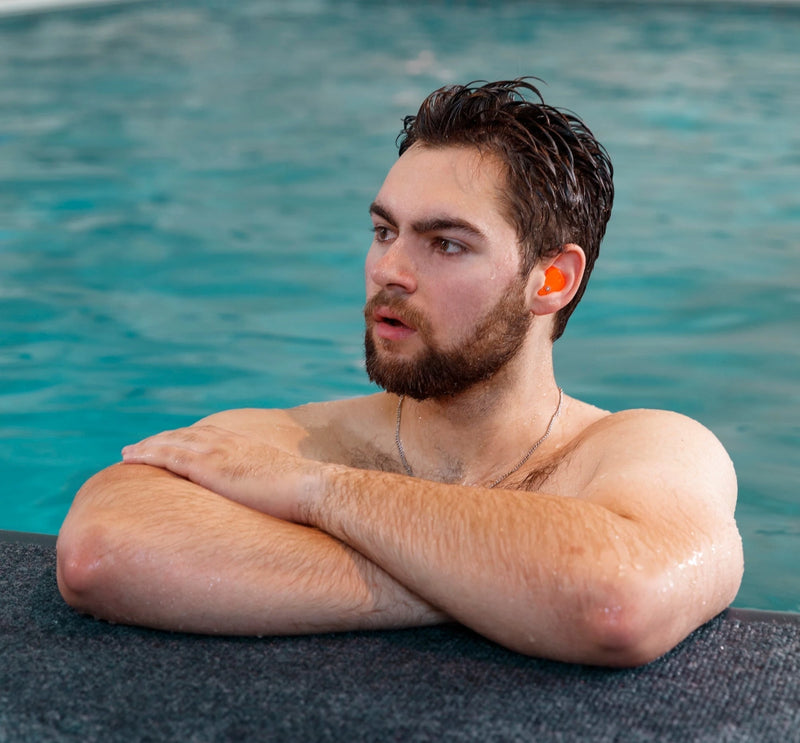
Music and shooting ask your ears to do different jobs. Fen X Custom helps you match the filter to the moment: flat attenuation for clear music, level-dependent protection for impulse noise, and double protection guidance when shooting conditions demand it. Hear-through waterproof filters for swimming and biking.

Start here

Selecting the right filter for your activity.

Which earplug filter should you choose for music, swimming or shooting?

The best answer is not one filter for everything. It is the right filter for the type of sound you are trying to manage. For concerts, rehearsals, festivals, and live sound, choose a flat-attenuation music filter. It lowers volume evenly so music and speech stay clear, only quieter. For shooting, hunting, or range use, choose a level-dependent or impulse-rated shooting filter, and use double protection when the environment calls for it. For swimming or bike riding, only a filter that is waterproof and allows all sound in protects from the elements and keeps 100% situational awareness for safety.

Activity-specific filters are essential to optimize performance: music buyers want sound fidelity, and shooting buyers want impulse-noise protection plus situational awareness.

The lineup

Three filter families, three jobs.

Flat attenuation filters for music
Flat attenuation

Music & conversation

Replicates the natural response of the ear canal, so sound keeps the same quality as the original — just quieter. Available in 10, 15 and 20 dB, so you can match the level of blocking to your environment.

Best forConcerts · rehearsals · festivals · live sound · conversation in noise

Level-dependent filters for impulse noise
Level dependent

Impulse sounds

Allows low-level sound through while restricting very high, short-duration impulse noise. Attenuation increases as the sound level increases, so you keep awareness right up until the shot.

Best forShooting · hunting · range use · any sudden peak noise

Hear-through waterproof filters
Hear through

Water & wind

A waterproof membrane lets all sound pass through while protecting against the elements. Full situational awareness, no attenuation.

Best forSwimming · surfing · road biking · anywhere you need to hear everything

And two designs with no filter at all

Solid

A sealed plug that blocks across the full range — for sleep and the loudest environments, where the goal is quiet rather than clarity.

Sleeves

A custom shell around your earbuds or electronic hearing protection, so the device does the listening and the fit does the sealing.

Music

Why flat attenuation wins for music.

Music is continuous, layered, and emotional. As a concert buyer you do not want silence or distortion; you want the same mix at a safer level.

“Hear the show, not the damage.”

Fen X Custom musician filters provide uniform 10, 15 or 20 dB sound reduction across frequencies. What you get is comfort plus clarity: custom fit, no muffled sound, no shouting through foam.

Attenuation across frequency for the Acoustic, Rock & Roll and Heavy Metal music filters
Measured attenuation for the three music filters — Acoustic, Rock & Roll and Heavy Metal. Reduction stays even across the frequency range, which is what keeps the mix intact.
10 dBLight reduction — rehearsal, small rooms, conversation
15 dBThe everyday concert level for most venues
20 dBLoud stages, festivals and front-of-house
Shooting

Why level dependent wins for shooting.

Shooting is different because gunfire is impulse noise. OSHA warns that noise greater than 140 dB can permanently damage hearing, even from a single occurrence, and states that higher-caliber rifles can exceed 175 dBP. CDC/NIOSH guidance similarly states that peak firearm levels can range from 144 dB SPL for small-caliber weapons to 172 dB SPL for a .357 caliber revolver, and that NIOSH recommends peak impulsive noise exposure not exceed 140 dB SPL.

“Hear what matters until the shot.”

Impulse or level-dependent filters increase attenuation as the environment gets louder, specifically for impulse sounds. NRR is not the best measurement for impulse sound, as it is a measurement of attenuation at a steady 95 dB. The IPIL measures attenuation of impulse sounds at more common decibel levels for gunshots — 130, 150 and 170 dB.

Attenuation across frequency for the Tri HT hear-through filter
The Tri HT hear-through filter for comparison: the waterproof membrane keeps passing sound, where an impulse filter clamps down as the level rises.
34 dBFen X Custom impulse filter attenuation at 160 dB
140 dBNIOSH ceiling for peak impulsive noise exposure
172 dBPeak level measured for a .357 caliber revolver
Double up. For very high impulse sounds, it is recommended to wear both earplugs and earmuffs.
Choosing

Choose by use case, not by spec sheet.

Your earplugs should not make every sound problem feel the same. At a concert, the goal is clarity — you want the vocals, guitar, drums, and crowd energy to stay balanced at a lower level. At the range, the goal is fast protection from dangerous peak sound while preserving enough awareness to hear commands and surroundings. For swimming, you want total situational awareness with a waterproof filter.

That is why Fen X Custom recommends choosing by use case. Pick flat-attenuation music filters when sound quality matters, and choose the correct attenuation level. Pick level-dependent or impulse-focused protection when sudden peak noise is the hazard. If you do both, consider ordering a two-filter setup instead of compromising with one filter that is not ideal for either job. For surfing, swimming and road biking, choose a waterproof hear-through filter.

A note on how they look. Fen X filters come in different colours, but they all share the same outward shape — the difference is inside. Our filters are patented.

Build your custom-fit filter kit.

Answer three questions and we'll match you to the filter and the fit.

Find my Fen X
No Risk
Free Shipping
Money-Back Guarantee
Made in the USA

Source notes

  • CDC/NIOSH firearm guidance — recommends double protection for hunters and shooters, and provides measured firearm peak levels and reduction ranges.
  • ASHA firearm guidance — warns that exposure above 140 dBP can permanently damage hearing, even from a single occurrence.
  • Murphy et al. 2011 — peer-reviewed IPIL testing found impulse peak insertion loss increased with peak sound pressure across the tested protectors.

Ready when you are.

Skip the clinic. Skip the mold. Just scan — and we'll handle the rest.

Shop All Fen X